
1. Market size and growth trend
Global market: The high-strength aluminum market has grown significantly in recent years. During the forecast period of 2022-2029, the compound annual growth rate of the global high-strength aluminum alloy market is expected to reach 7.95%. With the rapid development of aerospace, automotive, electronics and other fields, the demand for high-strength aluminum continues to rise.
The Chinese market: China is the world's largest producer and consumer of aluminium, and the application proportion of high-strength aluminium in the industrial sector is gradually increasing. In 2022, the market size of China's aluminum alloy industry reached 264.781 billion yuan, with an output of 12.183 million tons, increasing by 14.1% year-on-year. Among them, the application growth rate of high-strength aluminum in high-end manufacturing fields was particularly significant.
2. Application fields
Aerospace: High-strength aluminum is the main material for aircraft structures. Alloys such as 7075 and 7050 are widely used in fuselage frames, wing skins, landing gears and other components, accounting for 70% to 80% of the materials used in aircraft structures. With the advancement of the domestic large aircraft project, the demand for high-strength aluminum in the aerospace field in China continues to grow.
Automobile manufacturing: The trend of automotive lightweighting has driven the application of high-strength aluminum in parts such as the body, chassis, and battery compartment. The aluminum consumption per electric vehicle has increased by 47% compared to traditional fuel vehicles. The application of technologies such as aluminum alloy battery cases and integrated die-cast vehicle bodies has further increased the usage of high-strength aluminum in the automotive field.
Electronic and electrical appliances: High-strength aluminum, with its lightweight, good thermal conductivity, and excellent processing performance, has become the preferred material for the shells and internal structural components of 3C products such as smart phones, tablet computers, and notebook computers. It can also be used in components such as heat sinks and connectors.
In the field of construction, high-strength aluminum profiles have been widely used in sports venues, exhibition halls, glass curtain walls, aluminum alloy doors and Windows and other projects due to their advantages such as light weight, high strength, corrosion resistance and recyclability. Especially in the fields of prefabricated buildings and building-integrated photovoltaics (BIPV), the demand is growing rapidly.
Rail transit: The car bodies, bogies and other components of high-speed trains are made of high-strength aluminum, which can reduce the weight of the vehicle body, improve operational efficiency and safety. High-strength aluminum profiles have been widely applied in many domestic high-speed railway lines.
3. Technological development
Material research and development: Through alloying and microalloying technologies, high-strength aluminum materials with higher strength, greater toughness and better corrosion resistance have been developed, such as aluminum alloys with added elements like zirconium (Zr) and scandium (Sc), whose performance is constantly improving.
The application of advanced processing techniques: continuous extrusion, online quenching, and 3D printing has enhanced the production efficiency and product quality of high-strength aluminum, achieving precise manufacturing of complex structural components.
Heat treatment technology: Developing new heat treatment processes, such as regression re-aging (RRA) treatment, can significantly enhance the strength, toughness and stress corrosion resistance of aluminum alloys, meeting the demands of high-end applications.
4. Industrial Chain and Competitive Landscape
The industrial chain: The high-strength aluminum industrial chain includes links such as bauxite mining, alumina smelting, electrolytic aluminum production, and aluminum alloy processing. China holds a dominant position in the alumina and electrolytic aluminum sectors, but in the research and development and processing of high-end aluminum alloy materials, there is still a gap compared with the international advanced level.
Competitive landscape: In the international market, aluminum enterprises in countries and regions such as the United States, Europe, and Japan have technological advantages in the research and development and production of high-strength aluminum, such as Alcoa of the United States and Furukawa of Japan. Represented by domestic enterprises such as Aluminum Corporation of China, Nanshan Aluminum and Northeast Light Alloy, they have gradually narrowed the gap with the international advanced level through technology introduction, independent innovation and capacity expansion, and have occupied an important position in the domestic market.
5. Facing challenges
Raw material supply: The stability of raw material supply such as bauxite and alumina is crucial for the production of high-strength aluminum. China relies on imports for bauxite. Factors such as geopolitical tensions and trade frictions may lead to fluctuations in raw material prices and supply disruptions.
Environmental protection and energy consumption: The aluminum production process consumes a relatively high amount of energy and emits a large amount of carbon. With the advancement of the "dual carbon" goals, high-strength aluminum enterprises are confronted with strict environmental protection and energy consumption constraints and need to increase the research and application of green production technologies.
Technical barriers: The research and development as well as production of high-end high-strength aluminum materials require advanced technologies and equipment. Domestic enterprises still need to make breakthroughs in core technologies and process control to enhance the competitiveness of their products.
International trade frictions: Some countries and regions have implemented trade protection policies for aluminum products, such as anti-dumping and anti-subsidy measures, which have increased the export costs and market risks of high-intensity aluminum enterprises.
Overall, the high-strength aluminum industry has broad application prospects in aerospace, automotive, electronics and other fields, and its market size continues to grow. However, the industry also faces challenges such as raw material supply, environmental protection, technical barriers and international trade frictions. In the future, enterprises need to increase investment in technological innovation, enhance product quality and added value, and strengthen collaborative cooperation along the industrial chain to cope with market changes and competitive pressures.
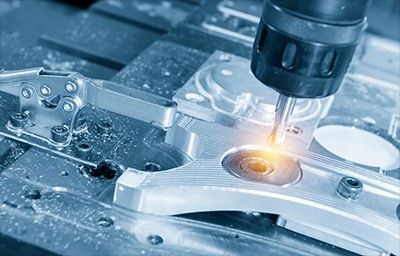 Analysis of the High Thermal Conductivity Aluminum Industry
Copyright Zhongli Kewei (Suzhou) New Materials Co., Ltd